

Why the question usually arrives on paper
Insurance renewal forms, home inspection reports and roofers' notes are where most cap requests in Lynwood begin. Someone looked at the top of the chimney, saw an open clay tile or a rusted hood, and wrote it down. By the time you search for a price, the real question has two halves: what does the rule expect, and what will it cost to satisfy it. This post takes them in that order.
What the rules expect at the top of a chimney
NFPA 211, the fire code document most inspectors lean on for chimneys, treats the top of a flue as the point where heat, gases and the odd ember leave the house. Its concern is plain. Whatever comes out should not land on the roof, and whatever drops in from above should not block the passage or rot the masonry.
Two practical expectations follow from that:
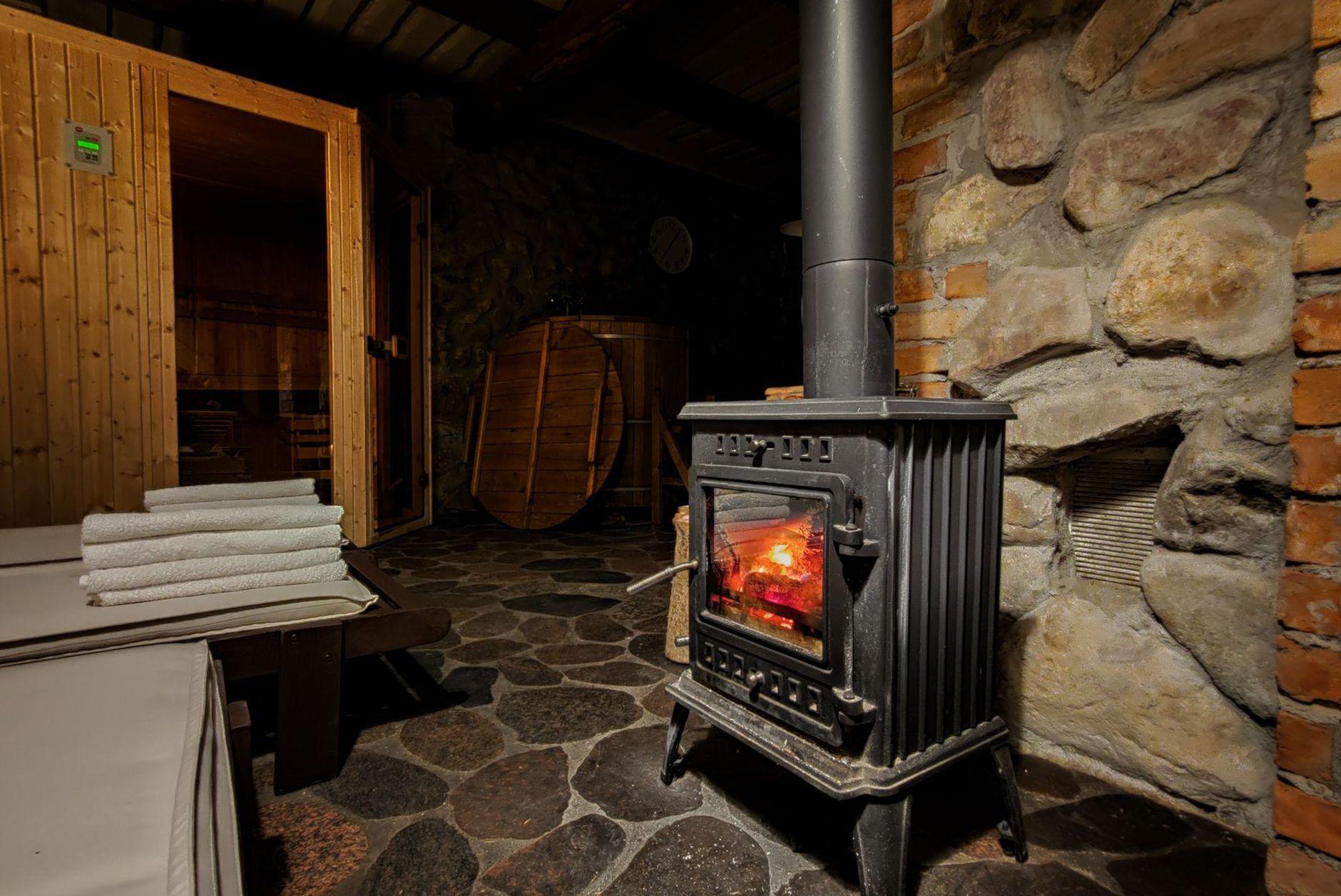
- A spark arrestor on any flue that burns wood. California fire officials commonly expect a screened top on a solid-fuel chimney, and insurer questionnaires ask about it by name. Every cap we fit on a wood-burning flue carries an arrestor screen, so the honest answer on the form is yes.
- A top that matches the chimney type. A metal prefab chimney was tested by its maker with one particular termination, and the label on the unit names it. A generic hood bolted onto that pipe can break the listing, which is one of the first things a city inspector checks on a fireplace permit. On those chimneys we order the termination by model number.
Gas appliances follow their own manuals. Most gas inserts and wall-vented units ship with a listed top that should stay. If yours has rusted or been bent by a branch, we replace it with the part the manual names, not the nearest lookalike.
What an inspector or insurer looks for up there
When the person writing the report reaches the chimney, the cap questions are short:
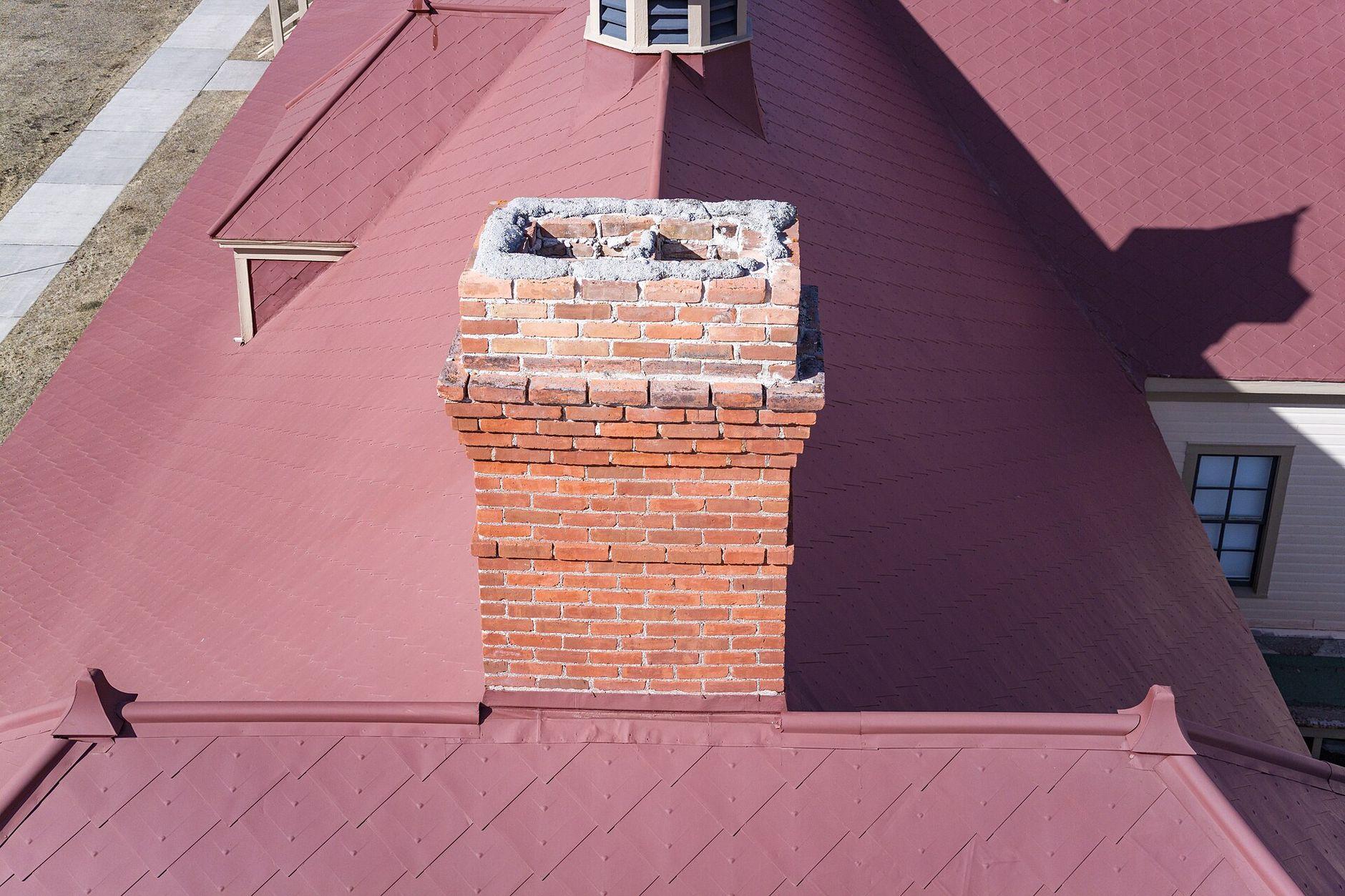
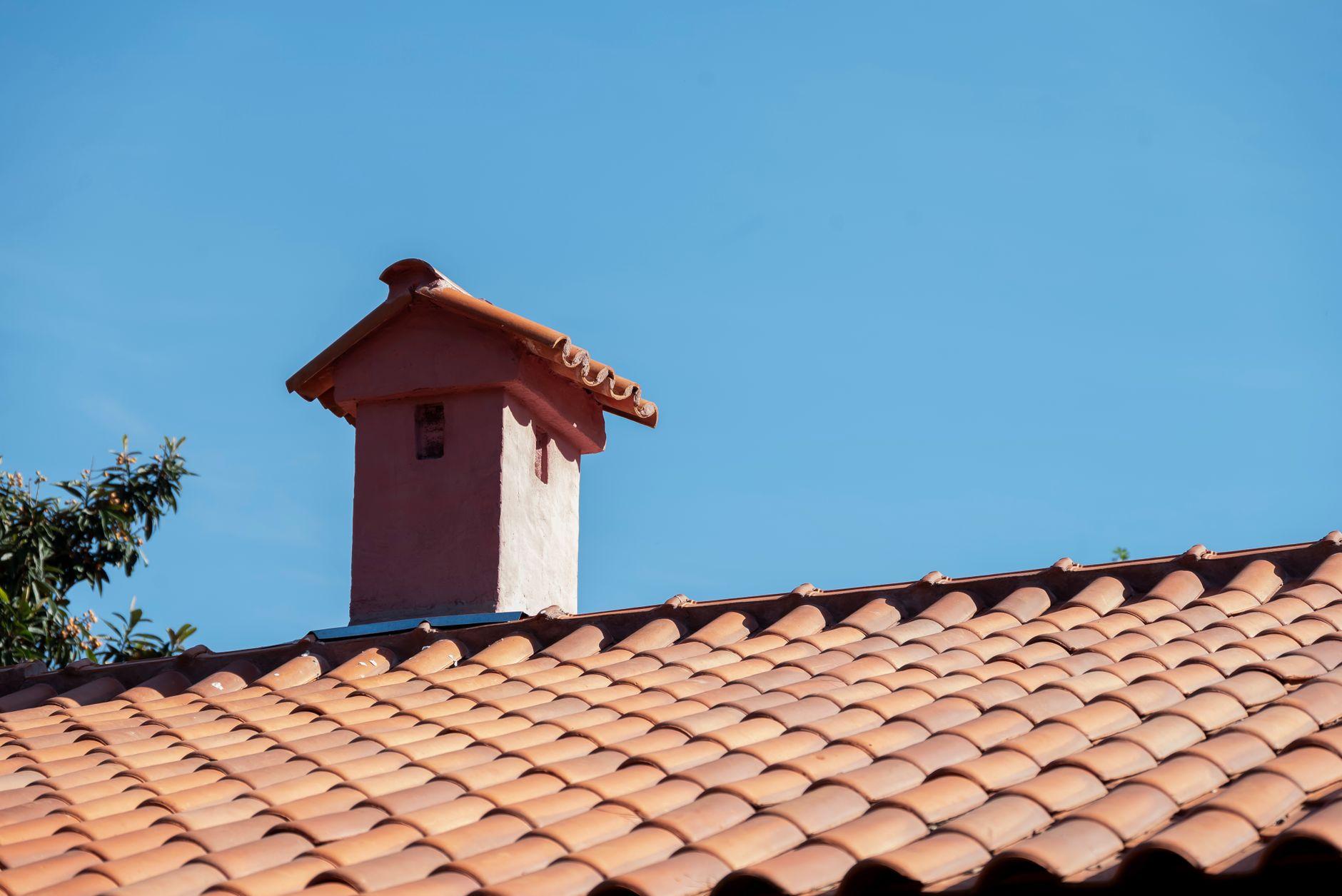
- Is there a cap over every flue, or is one tile still open to the sky?
- On a wood-burning flue, is there a screen, and is it whole rather than torn or packed with soot?
- Is the cap fastened down, or resting loose where wind can lift it?
- Has the metal rusted through, or has the hood been crushed?
- On a prefab chimney, does the top match the label?
A cap that passes those five lines usually ends the matter. A cap that fails one of them tends to come back on the next renewal letter.
What sets the price of a cap
An installed chimney cap is quoted after we measure. The reasons are physical, not seasonal:
| Cap | Effect on the price |
|---|---|
| One clay tile on a one-story roof | Simplest job |
| One tile on a two-story house or a steep pitch | Costs more |
| Two or more tiles that need one hood spanning the crown | Costs more again |
| An oversized crown needing a measured, shop-made stainless or copper hood | Costs the most |
| A prefab chimney that takes the maker's own termination | Set by the model |
The crown under the cap matters too. A hood fastened to a broken crown will not stay put, so if the concrete slab at the top is split we tell you before we fit anything, and the crown work is priced as its own line. Our crown repair page covers what that involves.
Request a cap visit and tell us in a line whether the fireplace burns wood or gas and how many tiles stick up from the top, if you can see them from the sidewalk. That is enough for us to load the right hoods.
Lynwood roofs and what they mean for the job
Many Lynwood streets are lined with single-story houses from the middle of the last century, each with one brick chimney on a side wall. Those are the friendliest jobs we see: a short climb, one tile, a cap that bolts on without fuss. The exceptions are houses that grew a second story or a converted room with its own fireplace, where a second flue now shares the crown. Those usually need a hood that covers both tiles at once.
Lynwood also sits inside the South Coast air district, which restricts wood burning on declared no-burn days through the winter. That does not change what the cap has to do on the evenings you can burn, but it is one reason some owners here are weighing a switch to gas. If that is you, read our note on gas insert permits and cost before you buy a cap for a flue you may line next year, because a liner job normally finishes with its own listed top.
What you receive after the install
The cap is not finished until the paperwork is. After the visit you get:
- Photos of the top of the chimney before and after.
- The material and type of cap fitted, and whether it carries an arrestor screen.
- A short note on the crown, the brick above the roof and the flashing as we found them.
That page answers the insurer's question and gives a future buyer's inspector something to compare against. Keep it with the house papers; it is the record that the open tile was dealt with.
When a cap is not enough
A cap protects the flue. It does not hold a chimney together. If the brick above the roofline is cracked through, or the mortar crumbles under a fingernail, a new hood is money spent on a stack that needs attention first. In that case we say so and point you toward masonry repair or, for a stack that has shifted, the options in our post on whether to rebuild or repair. We can still cover an open flue for the rainy months if the stack is safe to work on.
Getting it booked
A letter from an insurer or a line in a home inspection is reason enough to reach out. Our contact page is the way in; tell us who flagged the cap and what they wrote, and we plan the visit around their exact question.
Want the Rule Checked at Your Chimney?
Malloy works from Lynwood across South Gate, Inglewood and Los Angeles. We measure the chimney against the standard this guide covers, photograph what we find and quote any fix in writing, with a note on whether the city wants a permit.