
Two questions about one appliance
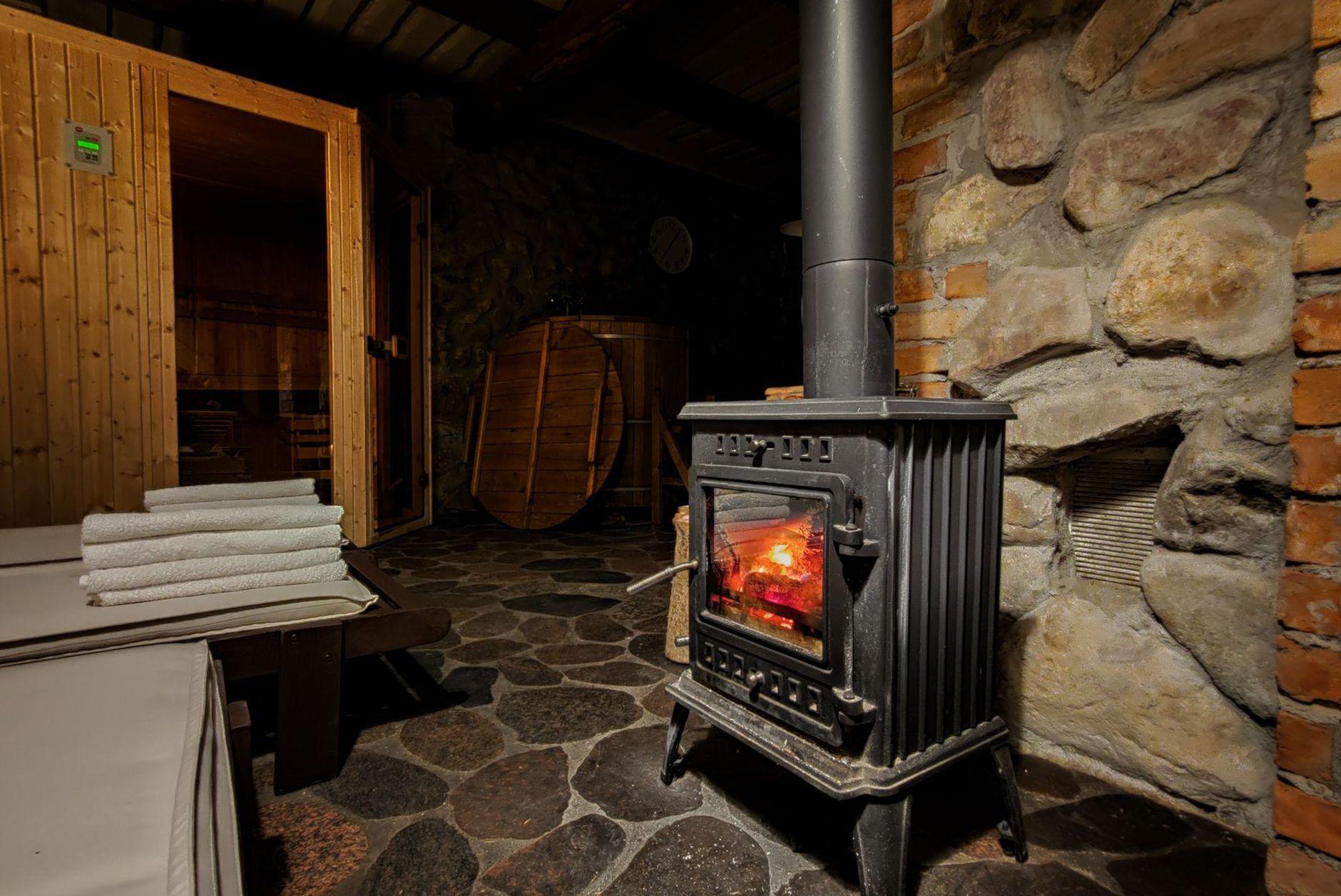
An insert is a heater that lives inside a fireplace you already have. Because it burns gas, ties into a gas line and sends its exhaust up your chimney, it touches three things a city cares about: fuel piping, venting and fire clearances. That is why homeowners in Lynwood who ask us for a price nearly always ask about the permit in the same breath. Both answers are below, permit first.
Who pulls the permit and why it matters
Setting a gas appliance and extending gas pipe to it is treated as permit work in most California cities, and we plan every Lynwood insert on that basis. The contractor doing the work applies for it at the homeowner's address, and the job is not closed until the city's inspector signs it off.
Why that matters to you, not just to us:
- An insert with no permit on record is a question mark on a future sale disclosure.
- After a claim, an insurer can ask whether a gas appliance went in under permit.
- The sign-off is a second set of eyes on gas fittings you will never see again once the surround goes back on.
What the city inspector checks
Every inspector has a personal order, but the items on an insert final stay steady:
- Gas piping. New pipe is pressure tested for leaks, and there must be a shutoff the homeowner can reach without tools.
- The listing and the manual. The insert's data plate and installation manual must be on site. The inspector checks the unit against them, including the gap the maker requires to a wood mantel and trim.
- The vent. Exhaust has to travel the whole height of the chimney inside a liner sized for that insert, finishing in the top the manual names. An insert that simply breathes into an old clay flue does not pass.
- Carbon monoxide alarms. State law expects working CO alarms in a home with a fuel-burning appliance, so the inspector will look for them, usually outside the bedrooms.
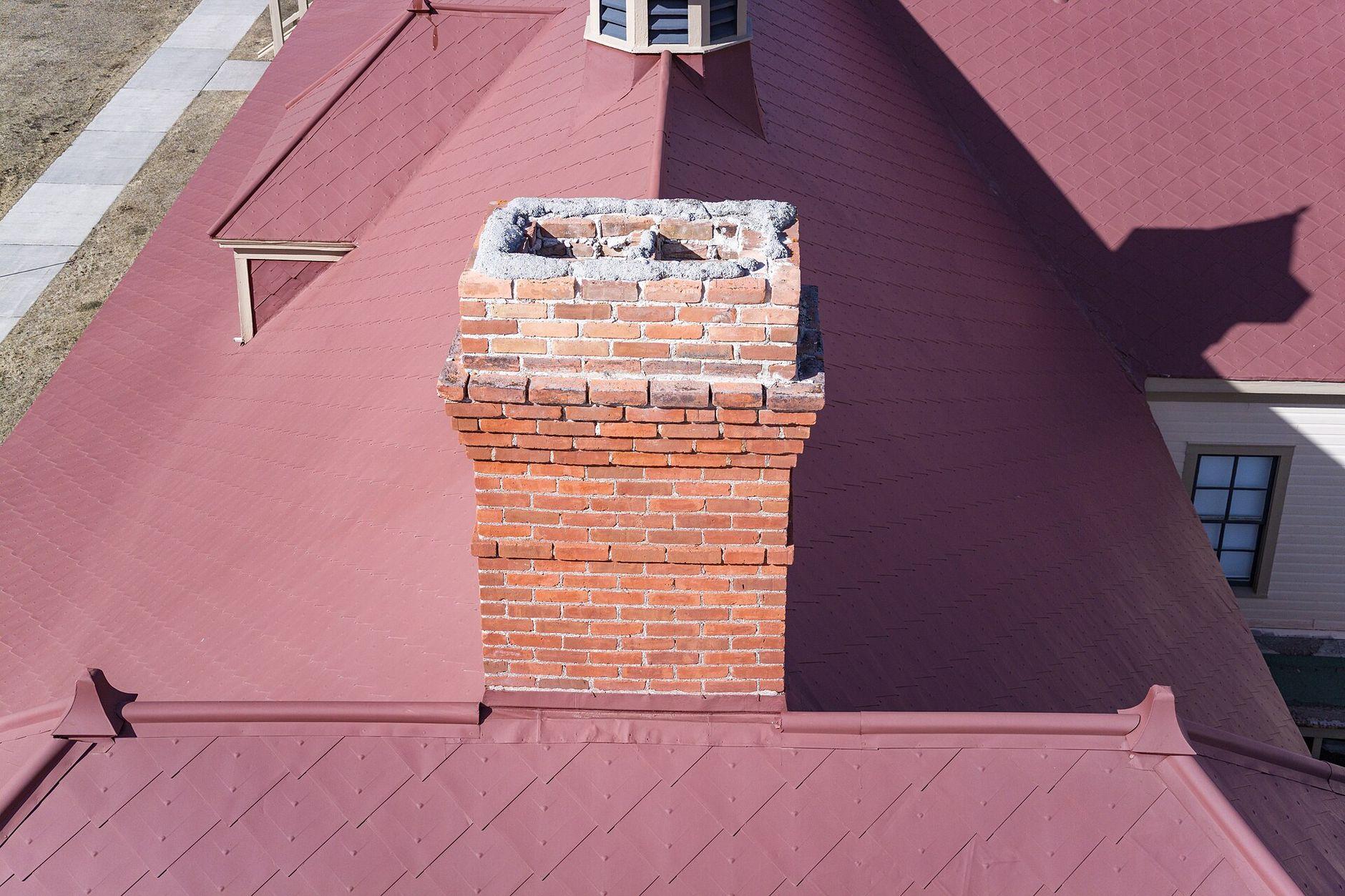
- The masonry around it. A cracked firebox floor or a broken hearth extension is a finding, not a detail.
The vent line is the one that surprises people. The liner is what turns an insert into a sealed system instead of a gas fire sitting in a brick box.
Why we inspect before we quote
Adding an insert counts as a change of appliance, and NFPA 211 asks for a Level 2 inspection when the way a chimney is used is about to change. Our Level 2 is $385 and includes a camera run of the flue. On an insert job it answers the questions that shape the price: is the flue straight enough for the liner, is the smoke chamber sound, is an old damper frame in the way, and is the chimney fit to carry the new vent at all. If you go ahead with us, those findings become the install plan.
What moves the price within $2,750 to $5,500
Putting a gas insert into a working masonry fireplace runs $2,750 to $5,500 installed with us. Where your job falls depends on five things:
- The insert itself. Size, heat output and extras such as a blower or a remote change the unit's cost more than anything else.
- The liner run. A one-story Lynwood chimney needs a short liner. A two-story stack needs a long one, and a flue with an offset needs flexible liner and more labor.
- How far the gas has to travel. A fireplace that already has a gas key is a short tie-in. One with no gas at all needs pipe brought from the nearest supply.
- The opening. Some fireboxes take an insert as they stand; others need the old damper plate out or the opening trimmed to suit the surround.
- The finish. The surround panel that ships with the insert is included. New tile or stone around it is a separate choice.
If the room you want to heat has no fireplace at all, a wall-vented gas unit framed in from scratch runs $4,400 to $8,800, with its own permit for framing, gas and venting.
Start an insert quote with the room the fireplace sits in and whether it burns wood or gas today. We set up the Level 2 visit from there.
How the job runs once you approve it
- Level 2 inspection and measurements of the opening and the flue.
- A written quote naming the insert model, the liner length and the gas work.
- The permit applied for once you sign.
- Installation: liner, insert, gas connection, surround.
- City inspection and sign-off.
- A copy of the signed permit card and the insert manual left in the house.
Nothing in that list is skipped to save a trip. The manual in particular stays with the fireplace, because the next service visit and the next buyer's inspector will both want it.
Inserts and no-burn days in Lynwood
The South Coast AQMD, the air district over Lynwood, can declare no-burn days under Rule 445 when winter air is poor. Those limits apply to wood, not to gas. Owners who like a fire on cold evenings and keep losing those evenings to an alert are often the ones who end up with an insert. If your old fireplace has an open flue tile and you are planning a liner, our note on what sets the price of a chimney cap explains why the cap question waits for the liner.
What we will not do
We will not set an insert into a flue that the camera shows is broken through, and we will not tie into gas without the permit. If the Level 2 finds a chimney that needs masonry repair or a new liner of a different kind, you hear that before an insert is ordered. More on the unit choices sits on our fireplace inserts page.
Starting the conversation
If you are pricing an insert, the contact page is where to begin. Mention any permit history you know of for the fireplace, and we tell you what the job needs before anything is ordered.
Want the Rule Checked at Your Chimney?
Malloy works from Lynwood across South Gate, Inglewood and Los Angeles. We measure the chimney against the standard this guide covers, photograph what we find and quote any fix in writing, with a note on whether the city wants a permit.